|
 |
|
|
| Missing In Action (MIA) | Prisoners Of War (POW) | Unexploded Ordnance (UXO) |
| Chronology | Locations | Aircraft | Ships | Submit Info | How You Can Help | Donate |
|
  U.S. Army December 7, 1944  Justin Taylan 2005 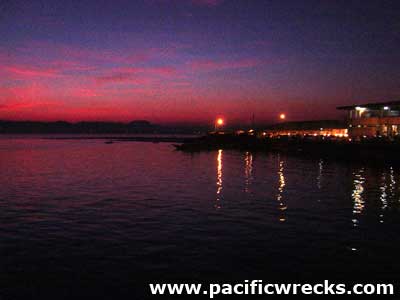 Justin Taylan 2005 |
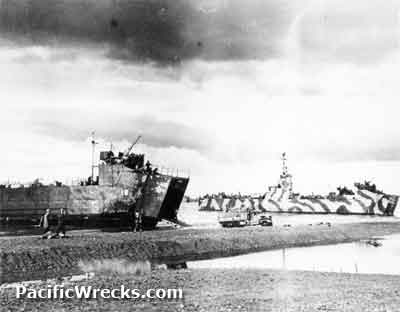
Location Lat 11° 0' 23N Long 124° 36' 27E Ormoc is located at an elevation of 16' / 4m bordering Ormoc Bay on the western coast of Leyte Island in the Eastern Visayas (Region VIII) of the Philippines. Today, known as Ormoc City and designated an independent city (1st class independent component city) surrounded by of the Leyte Province. Wartime History Occupied by the Japanese during their occupation of the Philippines. During the Japanese occupation, Ormoc Bay was used as an anchorage and the shore area was used as a seaplane operating area. After the November 1944 U.S. Army landing on the eastern coast of Leyte, Ormoc became an important port for Japanese Army resupply during the Leyte campaign, where troops were reinforcements and supplies could land. Attacked by American aircraft during November 1944 and early December 1944. American missions against Ormoc Bay November 2, 1944–December 7, 1944 On December 7, 1944, U.S. Navy APDs with LCVP landing craft made an amphibious landing at Ormoc landing the U.S. Army 77th Division at White 1 and White 2 beaches without opposition. At least one camouflaged E16A Paul T-301 was captured camouflaged near the landing beaches. Philippine-Japan Peace Memorial The Philippine-Japan Peace Memorial was built onto a hill in the Carlota Hills overlooking overlooking Ormoc and Ormoc Bay. This memorial marker was built in 1978 by relatives of Japanese veterans from Aichi Prefecture and Gifu Prefecture. Ormoc Airfield Located to the northwest of Ormoc. Ormoc Bay Ormoc Bay borders Ormoc on the western coast of Leyte Island. The Battle of Ormoc Bay was a series of Naval actions between November 11, 1944 until December 21, 1944. Contribute
Information Last Updated
|
 Map Fallingrain |
| Discussion Forum | Daily Updates | Reviews | Museums | Interviews & Oral Histories |
|